Farmers Market vs. Supermarket: A Borough Shopper's Price and Freshness Comparison
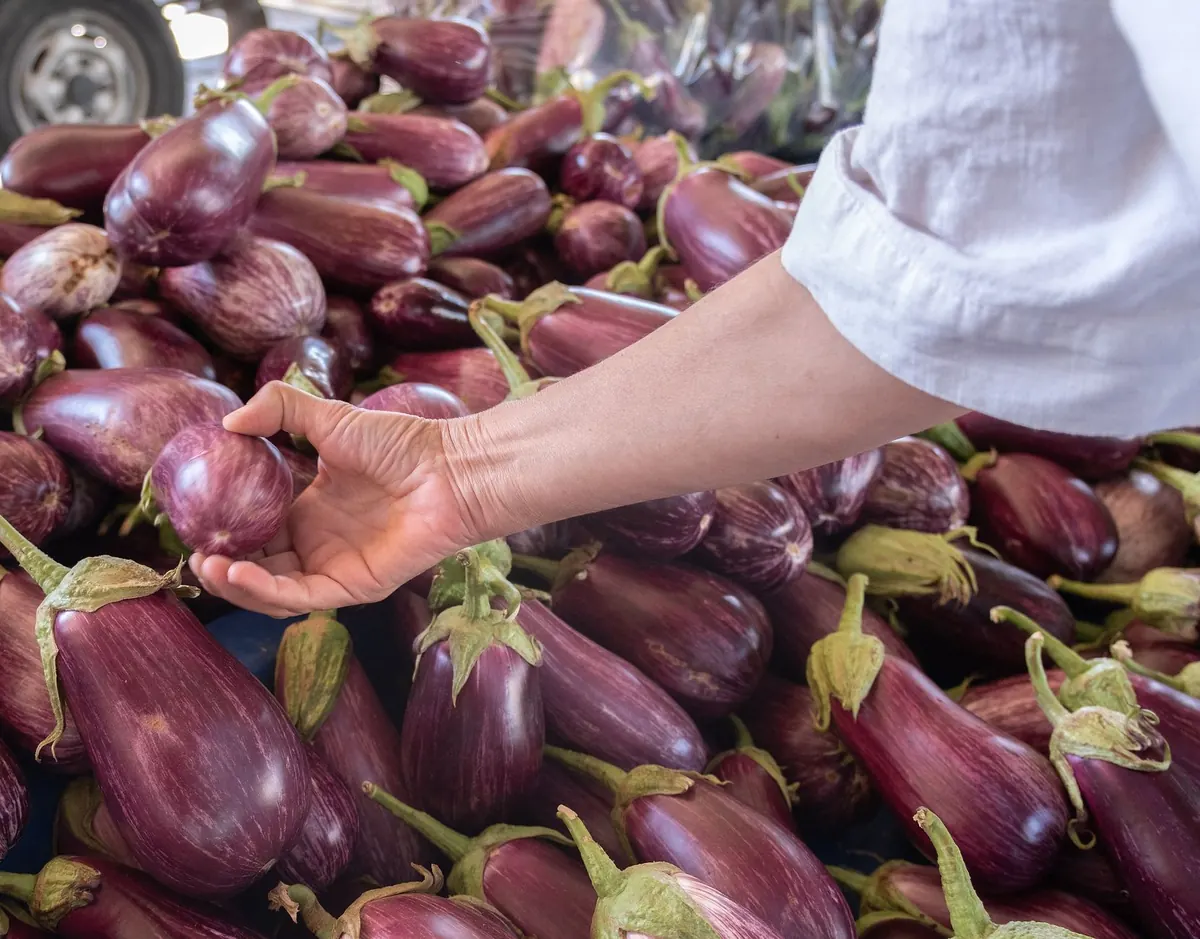
It's Saturday morning on the market square, and a stallholder is sliding crates of carrots across the table, soil still on them. By mid-afternoon you're in the supermarket on the ring road, holding a shrink-wrapped pack of the same vegetable and wondering which trip actually cost less. The honest answer is that the two shops aren't competing on the same terms — and once you know what to compare, the choice gets much easier.
Price: where the market wins and where it doesn't
Farmers markets carry a reputation for being dear. Sometimes it's earned: one head of specialty lettuce can cost more than a whole supermarket multipack. But markets aren't uniformly pricier. They're priced differently.
The market usually comes out ahead on anything in season and in abundance, on bulk buys, and on whole, unprocessed items — a sack of potatoes, a whole chicken, a large squash you'll get four meals from. The same goes for "seconds": misshapen peppers and small apples that taste identical and cost less because nobody will photograph them.
The supermarket wins on out-of-season imports, on long-life staples where the supply chain is enormous (flour, pasta, tinned goods, most dairy), and on convenience. It's open at nine at night, it takes card, and it has everything on one list.
The deeper difference is how each place prices things. Supermarkets price by weight, consistently. Market stalls often price by the item or by the bowl, which means value depends entirely on what you carry home. A bowl of dense roots is a bargain; a bowl of salad leaves that wilts by Tuesday is not. Divide by usable weight and by the number of meals it makes, and the comparison stops being guesswork.
Seasonality rewrites the price list
The supermarket's flat line
A supermarket shelf looks the same in January and July. Tomatoes in winter, strawberries in December. That consistency is real, and so is its cost: you're paying for glasshouses, air freight and cold storage, spread across the year.
The market's moving calendar
At a market, cheap means abundant this week. When a crop peaks, the grower has more of it than buyers, and a stallholder would rather sell it low than load it back into the van. Late-summer tomatoes, autumn apples, the first frost-sweetened greens — those are the weeks to buy generously.
The practical move is to keep three or four anchor crops per season in your head and cook around them. Then, when something is genuinely cheap, buy more than you'll eat this week: a crate of tomatoes into sauce for the freezer, a bag of apples into a crumble or a chutney. Preserving a glut is the most reliable way to bring market prices under supermarket ones.
Freshness is not one thing
"Fresh" gets used for at least three separate things: how recently something was picked, how far it travelled, and how well it was kept. Market produce usually scores on the first. It's picked within a day or two, sometimes that morning, and sold within the week. That matters most for the crops that fade fastest — soft herbs, salad leaves, sweetcorn, peas, berries, asparagus.
Supermarkets, on the other hand, run excellent cold chains, and for some items that's a genuine advantage. A supermarket apple can be months old, stored in a controlled atmosphere, and still crisp. A market peach can be picked ripe and bruised before you get it home.
So ask. Stallholders will tell you when something was picked and how long it keeps; that's the whole point of buying from the person who grew it. Then adjust your habits: ripe-at-purchase produce wants eating within a few days, not a fortnight in the drawer. In summer, bring a cool bag.
The local money loop
Spend money at a supermarket till and it enters a national or international chain. Some of it stays: wages for the people who work in the store in your borough, contracts for local cleaners and delivery firms. That's not nothing, and supermarkets are among the largest employers in most places.
Spend it at a market stall and the loop is shorter and easier to see. The stallholder probably lives within driving distance. They pay a pitch fee to the council or the market operator, buy from growers in the surrounding area, and then spend their own income in the same shops you use. A market is small local infrastructure, not just a shopping option.
Be fair about the trade-offs too. Markets run on certain days, in all weathers, and a wet Tuesday can empty a square. Stallholder margins are thin, which is why some prices are firm. That's the honest cost of a short chain.
A basket test you can run yourself
Most arguments about markets versus supermarkets are settled by anecdote. Settle yours with four weeks of notes instead.
- Pick ten things you buy every week — a mix of staples (potatoes, onions, bread, eggs, milk) and fresh produce (salad, tomatoes, fruit).
- Write down the price, the weight and the unit at each shop. Per punnet, per bag, per item. Note it exactly.
- Weigh what you actually use. Trimmed stalks and thrown-away leaves are part of the cost.
- Record how long each item lasted, and what ended up in the bin.
- Repeat weekly for a month. Market prices move with the season, so one week proves very little.
As a rough guide to what usually lands where:
- Better at the market: in-season vegetables and fruit, eggs, herbs, ripe-now produce you'll eat within days, larger quantities, and anything you want to ask questions about.
- Better at the supermarket: out-of-season produce, long-life staples, exact quantities for a recipe, and anything you need late at night or delivered.
Your practical borough shopping routine
Few households will switch entirely, and they don't need to. A division of labour works better: one market trip a week for produce, one supermarket trip for everything else.
Go early. Selection is best, the queue is shortest, and the person at the stall has time to talk. Bring cash even where cards are accepted, and bring your own bags, because plenty of stalls sell neither. Ask what's good this week before you decide what to cook; that single question will improve your cooking faster than any price comparison. Take heavy, long-life items from the supermarket, where a trolley does the work, and the delicate things from the market, where they haven't travelled.
Then trust your receipts over either shop's reputation. A market is not automatically cheaper or fresher, and a supermarket is not automatically the value option. What's true in your borough in June will be different in February.
If you're shopping to a very tight budget or managing a dietary condition, treat this as a framework rather than a rule. A free local money advice service, or your GP or dietitian, can help with the specifics of your situation.