Planning Applications Near You: How to Read Notices and Have Your Say
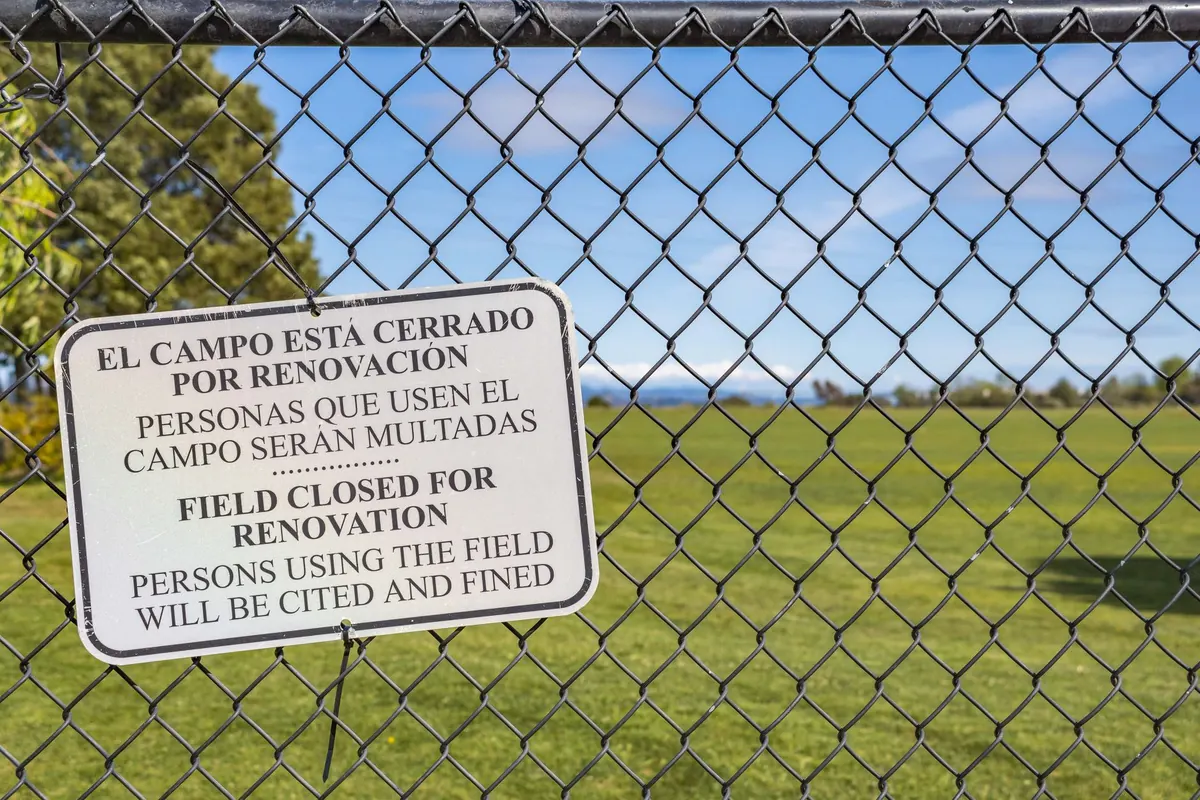
There's a laminated notice on the lamppost at the end of your road, tied on with a cable tie that somebody will eventually cut off. It carries a reference number, a paragraph of planning language and a date. Most people read it while waiting for the bus, decide it's about someone else's extension, and forget it by Tuesday.
Which is understandable. But that notice is a deadline with a form attached, and the window for saying something about a development near you is usually short — often around three weeks, sometimes less. Miss it and you lose your chance to shape what gets built, how tall it is, how it's accessed, or what hours the builders keep. Here's how to read the paperwork properly, and what a comment worth reading actually looks like.
What the notice is actually telling you
Every site notice, neighbour letter and newspaper advertisement carries the same key facts, even when the layout is dreadful:
- the application reference number — the one thing you need to find everything else
- the address or a description of the site
- a short description of the works, such as "erection of a single-storey rear extension"
- the local planning authority handling it
- the deadline for comments
- where to view the plans and how to respond
Treat the description as a headline, not a summary. A "single-storey rear extension" can be a modest kitchen or a structure running the full width of a garden and looming over three neighbours. The words on the notice rarely tell you which.
Find the full application, not just the notice
Take the reference number to your council's planning portal. Most let you search by reference, address or postcode, and you don't need an account to look. Once you've found the record, work through the tabs rather than stopping at the summary page:
- Documents. Site plan, block plan, existing and proposed elevations, floor plans, and any design and access statement, transport note, drainage plan, tree survey or heritage assessment.
- Details. The case officer's name and contact details, the date the application was validated, the consultation end date, and whether the decision will be made by officers under delegated powers or go to the planning committee.
- Related applications. A site's history is revealing. A withdrawn scheme that reappears a storey shorter usually means somebody is testing what will pass.
- Comments already made. Neighbours' objections show you which issues the case officer already knows about — and where your point adds something new.
If the drawings make no sense to you, that isn't a failing on your part. Ring the case officer and ask. They're usually busy but rarely hostile, and two minutes spent understanding a finished floor level beats an objection aimed at the wrong thing.
The deadline is not a suggestion
Councils vary, and the date on the notice is the one that counts. Don't assume a late comment will be waved through. Some authorities will note it if no decision has been made, but a decision can be issued the day after the deadline — and then your carefully written objection is simply a document in a closed file.
- Submit through the portal if you can. It timestamps your response.
- If you email instead, keep the confirmation and take a screenshot. If you post a letter, keep a copy and note the date you sent it.
- If you need a few more days, ask the case officer before the deadline, not after. Extensions are sometimes granted, but they're a favour rather than a right.
- Comment once, thoroughly, rather than five times. Repeated submissions rarely add weight and make a file harder to read.
What counts — and what doesn't
Planning decisions are supposed to rest on "material considerations." That phrase causes most of the frustration at public meetings, because it rules out things people care about most.
Points that generally count:
- overlooking and loss of privacy
- loss of daylight or sunlight to habitable rooms
- noise, smell, light spill or general disturbance
- traffic generation, highway safety, parking and access arrangements
- scale, height, massing, design and materials
- effect on the character of the street or a conservation area
- drainage, flood risk and surface water
- impact on trees, wildlife or heritage assets
Points that usually don't:
- loss of a view
- the effect on the value of your home
- boundary disputes and private covenants, which are civil matters
- the applicant's personal circumstances
- competition between businesses
If a covenant or boundary is at stake, that's a separate conversation with a solicitor. Planning permission doesn't override private rights, and a planning decision won't settle a land dispute. When in doubt about whether your point is material, ask the case officer — they will usually tell you plainly.
Writing a comment that gets read
Case officers may be handling dozens of applications at once. A clear, specific comment carries more weight than a petition with a hundred signatures and no detail.
Be precise about place
"The proposed first-floor window faces our kitchen across a gap of roughly eight metres" is useful. "This will ruin the area" is not — it gives the officer nothing to measure or condition.
Use the drawings
Quote drawing numbers and revisions. If your concern is the height of a fence or the position of a dormer, tie it to the plan rather than speaking in general terms.
Say what would fix it
Planning often ends in compromise. A comment asking for obscure glazing, a higher boundary treatment, or a condition limiting construction to weekday daytime is easier to act on than a flat refusal — and often achieves more.
Assume it will be public
Comments, and the name attached to them, usually appear on the council's website. Write as though your neighbour will read it, because they probably will.
You can also write in support. Supportive comments are counted the same way, and a well-argued one can carry as much influence as an objection.
Beyond the comment box
Commenting is the main route, but not the only one. Your parish or town council is a statutory consultee and can raise issues with the district or borough. Ward councillors can sometimes call an application in so it's decided in public by the planning committee rather than by an officer. Committee meetings are open to the public, and many councils allow residents roughly three minutes to speak — you usually have to register in advance, so check the process as soon as you know the date.
If permission is granted, remember that third parties generally cannot appeal. If you believe the process itself went wrong, that's a legal question worth a conversation with a solicitor rather than another letter to the council. If an application is refused and the developer appeals, you can usually put your case again to the inspector as an interested party, so keep your paperwork.
Before you hit submit
- Have you read the actual drawings, not just the description?
- Is every point you've raised a planning matter?
- Have you said where, how far, how high, how often?
- Have you suggested a condition or change that would resolve it?
- Is it in before the deadline, with proof of submission saved?
Then leave it. Ring the case officer once if you hear nothing, and keep an eye on the portal for the decision notice. Whatever the outcome, you'll have done the thing most people only talk about doing on the pavement outside.
Photo: Robert So / Pexels